Choosing the right time to replace your roof is one of the most important decisions a homeowner in Birmingham or anywhere in Alabama can make. A new roof is a major investment — often costing between £8,000 and £18,000+ for a typical home — and timing it correctly can save you money, reduce stress, and ensure better quality workmanship.
In this ultra-detailed guide, we’ll explore the best and worst times of year to re-roof your home in Alabama, considering our unique climate, weather patterns, contractor availability, and practical realities. Whether you own a semi-detached house in Hoover, a bungalow in Trussville, or a larger property in Mountain Brook, this guide will help you make an informed decision.
Why Timing Matters for Roof Replacement in Alabama
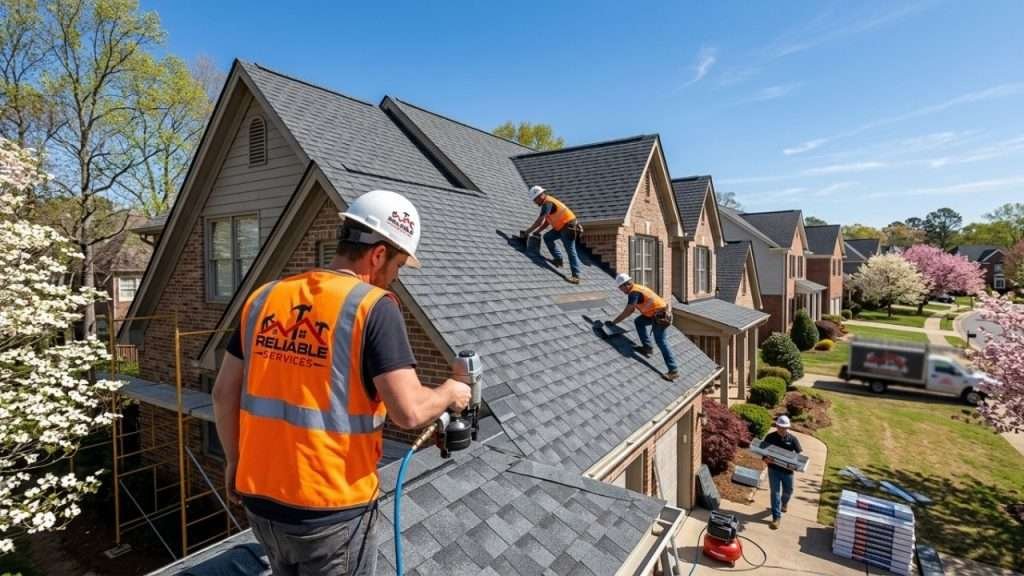
Alabama’s weather is famously unpredictable. We experience hot, humid summers, frequent thunderstorms, occasional tropical storms, and mild winters with occasional freezes. These conditions directly affect roofing projects in several ways:
- Weather Risks: Heavy rain can delay projects and damage exposed roof decks.
- Temperature Extremes: Extreme heat or cold affects adhesive performance and worker safety.
- Contractor Availability: Peak seasons mean longer wait times and higher prices.
- Material Performance: Some materials install better in specific temperature ranges.
Getting the timing right helps ensure a smoother project, stronger warranty coverage, and potentially lower costs.
Key Factors to Consider When Choosing Your Re-Roofing Time
Selecting the optimal time to replace your roof is not just about convenience — it directly impacts cost, quality of workmanship, project timeline, and long-term durability. In Birmingham and across Alabama, several critical factors should guide your decision. Below is a detailed breakdown to help you plan wisely.
1. Weather Patterns in Birmingham Birmingham’s climate is characterized by hot, humid summers, frequent thunderstorms, mild winters, and pleasant shoulder seasons. The most stable and favorable weather for roofing typically occurs during two windows:
- Late March through May → Mild temperatures, lower humidity, and fewer severe storms make this one of the best periods.
- September through early November → Comfortable weather with reduced rain risk and excellent visibility for detailed work.
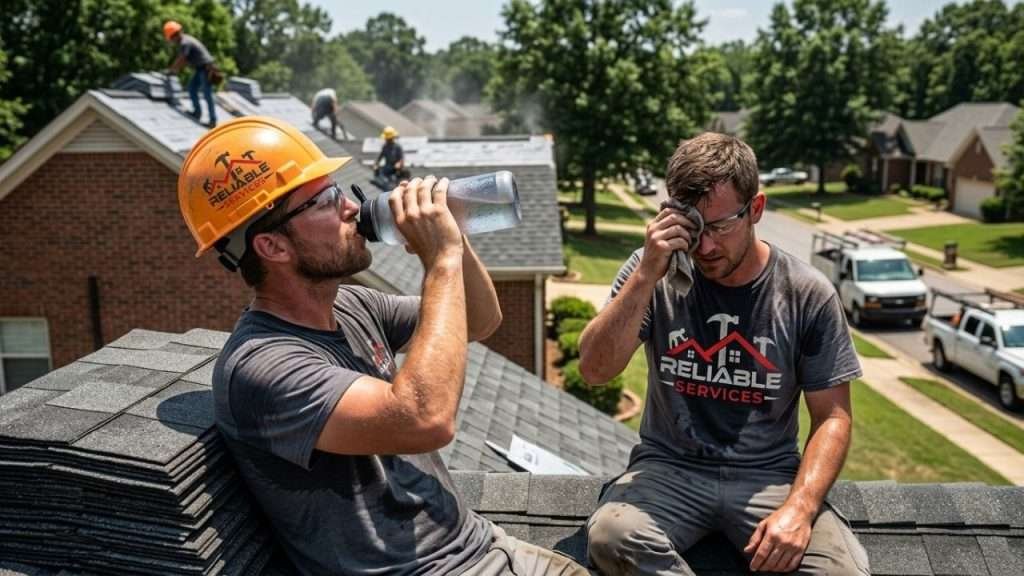
Avoid mid-June through August if possible, as extreme heat (often exceeding 90°F) can reduce worker efficiency, affect adhesive performance, and increase the chance of afternoon thunderstorms halting progress.
2. Your Personal Schedule and Lifestyle Your availability plays a major role. During a roof replacement, your home will experience noise, scaffolding, and limited access for several days. Consider:
- School holidays (avoid if you have children at home)
- Family vacations or important events
- Work-from-home arrangements
- Seasonal family gatherings (Thanksgiving, Christmas, etc.)
Pro Tip: Many homeowners prefer scheduling during spring or fall when kids are in school and weather is more predictable.
3. Insurance Claim Timing If your roof was damaged by a storm, hail, or wind, timing becomes urgent:
- Insurance companies often require prompt action after a claim is filed.
- Delaying repairs can lead to secondary damage (water intrusion, mold), which may not be fully covered.
- Acting quickly while the claim is fresh strengthens your case with adjusters.
4. Material Availability and Lead Times Popular materials like architectural shingles, concrete tiles, and premium underlayment can have longer wait times during peak seasons. Ordering materials early (especially in spring and summer) helps avoid costly delays.
5. Contractor Workload and Availability Reputable roofing companies like Reliable Services Roofing book up quickly during peak seasons. Booking 2–4 months in advance for spring or fall projects often secures better pricing and preferred scheduling slots.
6. Budget Considerations Prices fluctuate seasonally. Booking during shoulder or off-seasons can save you 8–15% compared to peak summer demand.
Cost Variations by Season in Birmingham
Understanding seasonal pricing trends helps you save money while maintaining quality. Here’s a clear breakdown:
| Season | Price Level | Pros | Cons | Recommendation |
|---|---|---|---|---|
| Late Spring (Mar–May) | Medium-High | Best weather, good availability | Can be rainy, higher demand | ★★★★ Best Overall |
| Summer (Jun–Aug) | Highest | Long workdays | Heat stress, thunderstorms, premium pricing | Only for urgent needs |
| Fall (Sep–Nov) | Medium | Pleasant weather, lower competition | Shorter days, hurricane risk | ★★★★★ Excellent Choice |
| Winter (Dec–Feb) | Lowest | Best pricing, fast scheduling | Cold, rain, material limitations | Good for budget-conscious |
Key Takeaway: Early Fall (September–October) and Late Spring (April–May) consistently offer the best balance of favorable weather, reasonable pricing, and contractor availability for most Birmingham homeowners.
How to Prepare for Your Roof Replacement
Proper preparation can make the difference between a smooth, stress-free roofing project and one filled with unnecessary complications. Whether you schedule your re-roof for spring, fall, or any other time, taking these proactive steps will help ensure the project runs efficiently and your home remains protected.
Essential Preparation Steps:
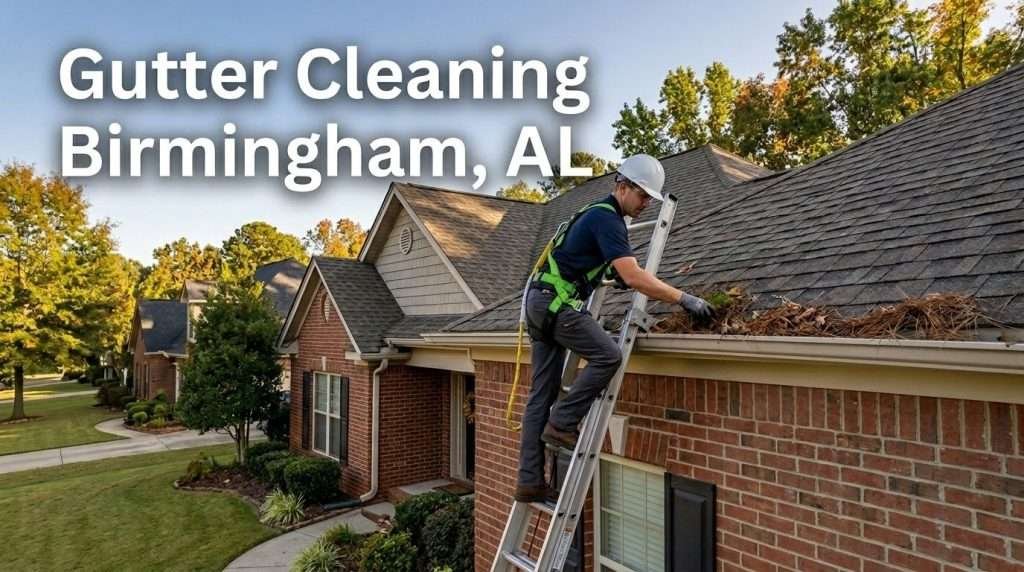
- Clear Gutters and Trim Overhanging Trees Several weeks before the project, thoroughly clean your gutters and downspouts. Trim back any tree branches that hang over the roof. This reduces debris during removal and helps roofing crews work more safely and efficiently.
- Plan for Temporary Relocation of Outdoor Items Move patio furniture, grills, potted plants, vehicles, and children’s play equipment away from the house. Cover sensitive landscaping with tarps if necessary. Roofing crews need clear access around the perimeter of your home.
- Inform Your Neighbors Let your neighbors know about the upcoming work. Roofing projects involve noise from hammers, saws, and material delivery. A friendly heads-up builds goodwill and prevents complaints.
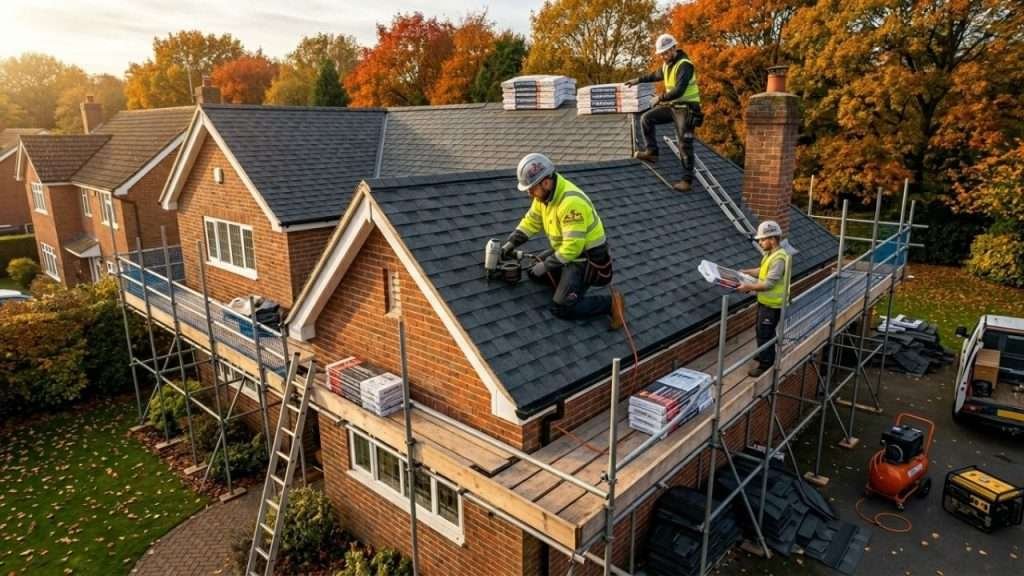
- Prepare for Scaffolding and Equipment Scaffolding will likely surround parts of your property. Remove outdoor decorations, secure loose items, and discuss placement with the roofing company in advance. If you have security cameras or lighting, note their locations.
- Protect Your Belongings Inside While most roofing work happens outside, dust and debris can enter through vents or open windows. Consider covering valuable furniture and electronics, especially in upstairs rooms.
- Arrange Temporary Accommodations if Needed For larger or more complex projects, some homeowners choose to stay with family or book short-term accommodation during the noisiest days.
- Review Your Insurance Policy Confirm coverage details and take clear photos of your current roof condition before work begins.
Additional Smart Preparations:
- Back up important documents and valuables
- Plan meals or dining out during noisy days
- Notify your HOA (if applicable) about the project
- Prepare a list of questions for your roofing contractor
Taking these steps shows respect for the crew and helps the project finish faster with better results.
Real Homeowner Stories from Birmingham
Many Birmingham families have successfully navigated roof replacement projects. Here are a few real experiences:
- Vestavia Hills Family: By scheduling their re-roof in early October instead of peak summer, they saved over £1,200 and avoided weeks of 95°F heat. The project finished in just 6 days with minimal disruption to their children’s school routine.
- Homewood Couple: They replaced their aging roof during a mild February. Although winter carries some risk, the dry weather allowed the crew to complete the job quickly. They were pleasantly surprised by the lower pricing and fast scheduling.
- Trussville Homeowner: After storm damage, they acted immediately in late March. The roofing team completed the full replacement in 7 days, and insurance covered most of the cost. They emphasized how important it was to choose a local company familiar with Alabama weather patterns.
These stories highlight that with proper planning and the right timing, roof replacement can be far less stressful than many homeowners expect.
Final Recommendations for Birmingham Homeowners
Best Overall Times to Re-Roof in Birmingham:
- Top Choice: Mid-March to mid-May Mild weather, good contractor availability, and excellent conditions for material installation.
- Strong Alternative: September to mid-November Pleasant temperatures, lower humidity, and often better pricing after the busy summer season.
Avoid if Possible:
- Peak summer (mid-June to mid-August) unless it’s an emergency. Extreme heat and afternoon thunderstorms can complicate the project.
Pro Tip: Contact reputable local roofing companies like Reliable Services Roofing in January or February to lock in spring dates at better rates and secure your preferred scheduling slot.
Ready to plan your roof replacement?
Call Reliable Services Roofing today at 205-370-3160 or visit our website to request a free inspection and detailed quote. Our experienced team will guide you through every step and help you choose the best timing for your specific situation.
A new roof is a big investment. Timing it right helps ensure quality workmanship, fewer delays, and better value for your money. With careful planning and the support of trusted local professionals, your roofing project can be smooth, successful, and stress-free.
FAQs
March, April, September, and October are generally the best months due to milder weather and good contractor availability.
Yes, but it’s not ideal. Extreme heat can affect workers and material performance. Early morning scheduling helps.
It’s possible for minor jobs, but full replacements carry higher risk of weather delays and material issues.
Yes. Peak seasons (late spring and summer) usually have higher prices due to demand.
We recommend contacting contractors 2–4 months in advance for spring or fall projects.
Insurance typically covers sudden damage (storms), not gradual wear. Acting quickly after damage is important.