A water stain blooming on your ceiling near a bathroom or kitchen indicates a serious problem. You are likely dealing with a leaky roof vent pipe flashing.
To fix a leaking roof vent pipe flashing, you must first inspect the rubber collar for cracks. Next, remove the surrounding asphalt shingles and break the old sealant bond. Finally, pry up the damaged boot, install a new flashing unit woven correctly into the shingle courses, and seal it with high-grade polyurethane roof sealant. While a temporary rubber repair sleeve can stop the water temporarily, a permanent fix requires replacing the cracked or deteriorated boot entirely to prevent structural water damage.
At Reliable Service Roofing, we see this exact issue weekly across Jefferson and Shelby Counties. Roof penetrations—specifically your plumbing vent pipes—are the most common vulnerability points on any residential roofing system.
This comprehensive local guide breaks down exactly what causes roof vent pipe flashing to leak, how to fix it, and when to call a professional Birmingham roofing contractor to protect your home.
What is a Roof Vent Pipe Flashing? (And Why It Fails)
Before climbing up onto your roof, you should understand the system components. Your home features several exhaust lines—often called plumbing vent pipes or stacks—that project through your roof deck. These lines release sewer gases and equalize air pressure within your drainage system.
Anatomy of a Roof Vent Boot
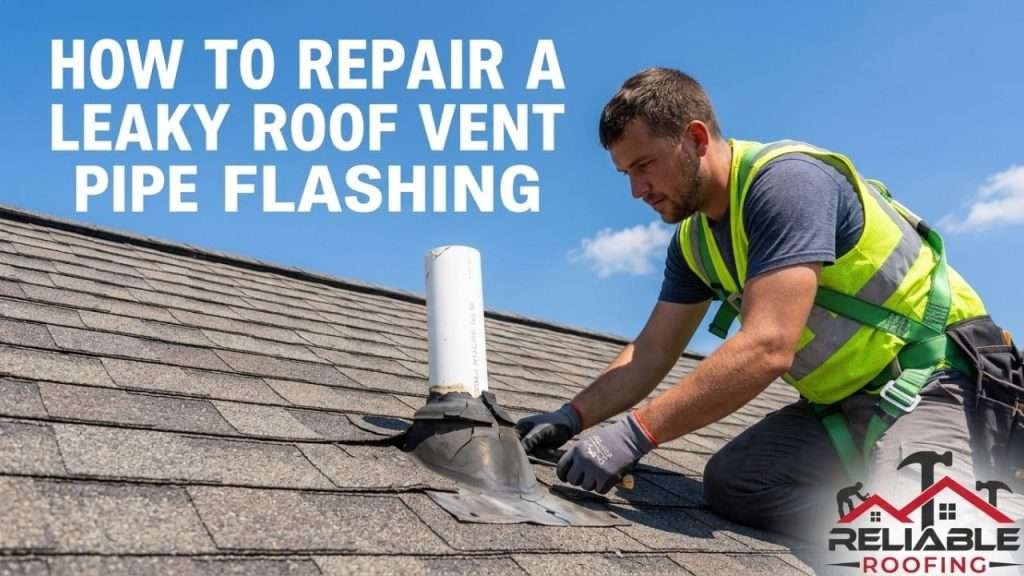
A standard modern flashing unit integrates two primary components into a single piece:
- The Flashing Plate (Base): A flat, rectangular flange made of plastic, aluminum, or galvanized steel. It sits flat on the roof deck and slips between courses of asphalt shingles.
- The Rubber Collar: A flexible, synthetic rubber ring (usually Neoprene or EPDM) molded to the base. It stretches tightly around the perimeter of the plumbing vent pipe to create a watertight compression seal.
What Causes Roof Vent Pipe Flashing to Leak?
When homeowners ask us, “What causes roof vent pipe flashing to leak?” the answer almost always involves environmental exposure.
- UV Degradation and Dry Rot: The Alabama sun degrades roofing materials quickly. Years of intense ultraviolet (UV) radiation and searing summer heat cause the flexible rubber boot flashing to lose its plasticizers. Over time, the rubber hardens, becomes brittle, and undergoes dry rot, causing it to split and tear away from the pipe.
- Thermal Expansion and Contraction: Birmingham experiences massive temperature swings between scorching July afternoons and freezing January nights. Your PVC plumbing pipe expands and contracts at a different rate than your wooden roof deck and the flashing base. This variation exerts constant mechanical stress on the rubber collar, eventually creating gaps and tears.
- Improper Initial Installation: A high number of roof leaks stem from original installation errors. Examples include shingles improperly trimmed around the boot, nails driven directly into the exposed lower face of the flashing flange, or an over-reliance on cheap roofing cement instead of proper mechanical weaving.
- Biological Growth and Debris: Moss, lichen, and accumulated leaf debris from surrounding Birmingham oak trees trap moisture around the base of the flashing. This standing water accelerates the rust of metal components and rots the underlying decking materials.

Signs Your Roof Vent Flashing Needs Replacement
Knowing how do I know if my vent pipe flashing is failing before a massive storm hits can save you thousands of dollars in interior repairs. Look out for these telltale indicators both inside and outside your property:
Interior Warning Signs
- Water Stains on Ceilings or Walls: Water entering around a plumbing stack typically follows the vertical path of the pipe down into your home. Check the ceilings and walls in rooms directly beneath your roof line—especially bathrooms, laundry rooms, and kitchens.
- Musty Odors in the Attic: Take a flashlight into your attic space during or immediately after a heavy rainstorm. Smell for a damp, stagnant odor. Check the plywood roof sheathing surrounding the vertical run of your PVC pipes for dampness, dark tracking stains, or active dripping.
- Peeling Paint or Cracking Drywall: Persistent micro-leaks cause drywall to swell and contract. This movement causes paint to bubble and drywall joints to separate.
Exterior Warning Signs
- Visible Cracks or Splits in the Rubber Collar: Inspect your roof lines from the ground or safely via a ladder. If the rubber neck of the boot looks wrinkled, cracked, or completely torn open, cracked vent boot flashing is actively allowing water intrusion.
- Exposed, Rusted, or Backed-Out Nails: Roof shifting can cause the nails securing the flashing base to back out. This issue creates a direct conduit for water to enter the roof deck.
- Separation of the Boot from the Pipe: A visible gap between the inner ring of the rubber collar and the outer wall of the vent pipe means your compression seal has failed completely.
Can I Fix Roof Vent Flashing Without Replacing the Roof?
Yes! Can I fix roof vent flashing without replacing the roof? is one of the most common questions our team receives at Reliable Service Roofing.
You absolutely do not need to invest in a complete roof replacement just because a singular pipe boot has failed. A roofer can replace only the vent flashing quickly, safely, and affordably as an isolated, targeted repair.
Should Vent Pipe Flashing Be Replaced or Repaired?
While manufacturers sell quick-fix products—such as split-boot rubber repair sleeves that slide down over the existing pipe—these products provide only short-term bandages.
If your underlying roof shingles remain in good health, a complete vent pipe flashing replacement is the only permanent, reliable choice. If your shingles are approaching the end of their 20-to-30-year lifespan and showing widespread granular loss, a failing vent boot is often a sign that you should evaluate your entire roofing system.
Step-by-Step DIY Roof Vent Pipe Flashing Repair Guide
For handy homeowners comfortable working at heights, replacing a damaged flashing boot on an asphalt shingle roof is an achievable weekend project. Here is how to complete a professional-grade leaky roof vent pipe flashing repair step by step.
Safety Warning
CRITICAL SAFETY NOTE: Roofing is inherently hazardous. Never walk on a roof that is wet, icy, or excessively steep. Always wear high-traction, rubber-soled footwear, use an OSHA-approved fall-protection safety harness anchored properly, and work with a spotter on the ground. If you are uncomfortable with heights, or if your roof has a steep pitch (greater than 6:12), do not attempt this DIY—call a professional local contractor immediately.
Required Tools and Materials
Before ascending your ladder, gather the following essential tools and professional-grade materials:
- New roof vent flashing boot (ensure the opening matches your pipe diameter: typically 2-inch or 3-inch for residential plumbing lines)
- High-grade, UV-resistant polyurethane roof sealant (Avoid cheap asphalt plastic roof cement/tar, which cracks within a few years under the Alabama sun)
- Flat pry bar (roofing pry bar/shingle remover)
- Hammer and utility knife
- 1-1/4 inch galvanized roofing nails
- Wire brush or rag
The Replacement Procedure
Follow these precise mechanical steps to ensure a completely watertight installation:
Step 1: Loosen and Unweave the Surrounding Shingles
Slide your flat pry bar underneath the shingle courses that overlap the top and side edges of the old flashing base flange. Work carefully to avoid tearing or breaking the shingles. Asphalt is soft and tears easily on hot days, while cold weather makes it brittle. Locate and gently pry up the roofing nails securing those overlapping shingles, allowing them to lift freely.
Step 2: Extract the Old Flashing Boot
Slide the pry bar underneath the lower edge of the old flashing plate. Carefully pop loose the nails holding the flange down to the plywood roof deck. Once you loosen all fasteners, twist and pull the old flashing boot straight up and off the vertical plumbing vent pipe.
Step 3: Prep the Roof Deck and Pipe Surface
Use a wire brush or clean rag to scrape away old crusty roofing cement, dirt, algae, and loose shingle granules from the exposed wood deck and the exterior wall of the PVC pipe. The surface must be clean and smooth so your new sealant bonds perfectly. Inspect the exposed roof sheathing; if you find soft, rotted wood from a prolonged leak, you must cut out and replace that section of decking before continuing.
Step 4: Dry-Fit and Install the New Flashing Boot
Apply a generous bead of high-grade polyurethane roof sealant to the underside of the new flashing plate around its perimeter. Carefully slide the new boot down over the plumbing vent pipe, pressing the base firmly down onto the roof deck to spread the sealant evenly.
Step 5: Fasten and Weave Securely Into the Shingle Courses
To maintain the natural shed of water, the top half and side flanges of the flashing plate must slip underneath the shingles directly above it. The bottom flange of the flashing plate must sit on top of the shingles directly below it.
Drive galvanized roofing nails through the pre-punched holes in the flashing plate at the top and sides—never nail through the bottom exposed edge of the flange. Cover any exposed nail heads on the side with a dab of roof sealant.
Step 6: Seal the Collar Rim
Apply a continuous, thick bead of polyurethane sealant around the top junction where the rubber collar tightly meets the PVC plumbing pipe. Smooth it out with a gloved finger to form a clean water-shedding collar. This step provides a secondary layer of protection against mechanical shifting.
Understanding Repair and Replacement Costs
When budgeting for home maintenance, it helps to have clear financial expectations. Here is an honest breakdown of how much does it cost to repair vent pipe flashing whether you tackle it yourself or hire an insured professional.
| Repair Method | Estimated Cost Range | Expected Lifespan | Best Used For |
| DIY Replacement | $25 – $75 | 10 – 15 Years | Budget-conscious homeowners with safe, low-slope roofs. |
| Professional Repair Sleeve | $150 – $250 | 5 – 8 Years | Minor rubber cracks on an otherwise healthy, modern roof system. |
| Professional Full Boot Replacement | $300 – $600 | 15 – 25 Years | Permanent, worry-free fix with full warranty protection on any roof pitch. |
Factors Affecting the Cost
- Roof Pitch and Height: A steep roof pitch (e.g., a 10:12 slope or a multi-story home) requires specialized safety gear, scaffolding, and more labor time, increasing the professional service cost.
- Extent of Hidden Water Damage: If a damaged roof vent flashing has been leaking silently for months, the cost will rise if your roofing contractor needs to replace rotted wood rafters, saturated insulation, or water-damaged interior drywall.
- Flashing Material Quality: Premium heavy-duty lead or copper flashing plates cost more upfront than standard plastic or aluminum bases, but they offer vastly superior durability against animal chewing and weather breakdown.

Comprehensive Preventative Maintenance Tips
The best way to manage a leaky roof is to prevent it from happening in the first place. Incorporate these basic strategies into your annual home checklist to maximize how long your roof components last.
How Long Does Roof Vent Flashing Last?
In the Birmingham metro area, a standard builder-grade rubber vent boot typically lasts between 10 to 15 years. Because high-quality architectural asphalt shingles can last 25 to 30 years, your roof penetrations will almost always fail long before your shingles do. This means your boots will likely need to be replaced at least once during your roof’s natural lifespan.
Proactive Protection Strategies
- Conduct Bi-Annual Inspections: Walk your property with a pair of binoculars every spring and fall. Look up at your vent stacks to spot early signs of wrinkling or splitting rubber before a leak manifests indoors.
- Keep Roof Surfaces Clear: Remove accumulated pine needles, twigs, and leaves around your vent pipes. Debris holds moisture against the roofing materials, creating an ideal environment for wood rot and fungal growth.
- Install Protective Guards: Consider upgrading to heavy-duty protective collars or metal pipe shields that shelter the sensitive rubber components from direct UV exposure and prevent local gray squirrels from gnawing on the materials.
Local Focus: Weathering the Birmingham, AL Climate
Roofing components in Central Alabama face a unique set of meteorological stressors that homeowners in other parts of the country don’t have to worry about.
Our extended, intensely humid summers mean your roof surface temperatures can easily soar past 150°F. This extreme heat bakes the oils out of standard neoprene rubber boots, causing them to crack prematurely.
Furthermore, Birmingham’s volatile spring storm season brings torrential downpours and high-velocity wind events. When you have a tiny micro-crack in your flashing, a calm rain might not leak, but a severe thunderstorm with driving winds will force water straight up underneath loose shingles and into the cracked boot assembly.
Whether your home is a historic estate in Mountain Brook, a beautiful suburban property in Hoover, or a newer construction build in Trussville, keeping your flashing completely watertight is essential to preventing structural wood rot and toxic mold cultivation inside our humid Southern attics.
Serving Birmingham and All Surrounding Communities
Reliable Service Roofing provides rapid-response roof repairs across the entire metropolitan landscape, including:
- Jefferson County: Birmingham, Vestavia Hills, Bessemer, Gardendale, Fultondale, Homewood, Center Point.
- Shelby County: Alabaster, Pelham, Helena, Chelsea, Calera, Indian Springs Village.
- St. Clair & Walker Counties: Pell City, Moody, Jasper.
When to Call a Professional in Birmingham, AL
While a DIY approach works well on a straightforward, low-slope roof, there are several scenarios where attempting a self-repair is highly discouraged. You should bypass the DIY route and contact a licensed Alabama roof flashing contractor if you experience any of the following:
- High or Steep Roof Slopes: If your roof pitch requires specialized staging or causes vertigo, your physical safety is worth far more than the cost of a professional repair call.
- Multiple Active Leaks: If you notice water damage in multiple areas of your home, you could have deeper systemic damage, widespread shingle failure, or secondary leaks originating from valley flashings or ridge vents.
- Active Structural Rotting: If you step into your attic and find the wooden decking feels soft, spongy, or is covered in white or black fungal growth, simple flashing replacement is no longer sufficient. The structural wood must be professionally cut out and reinforced.
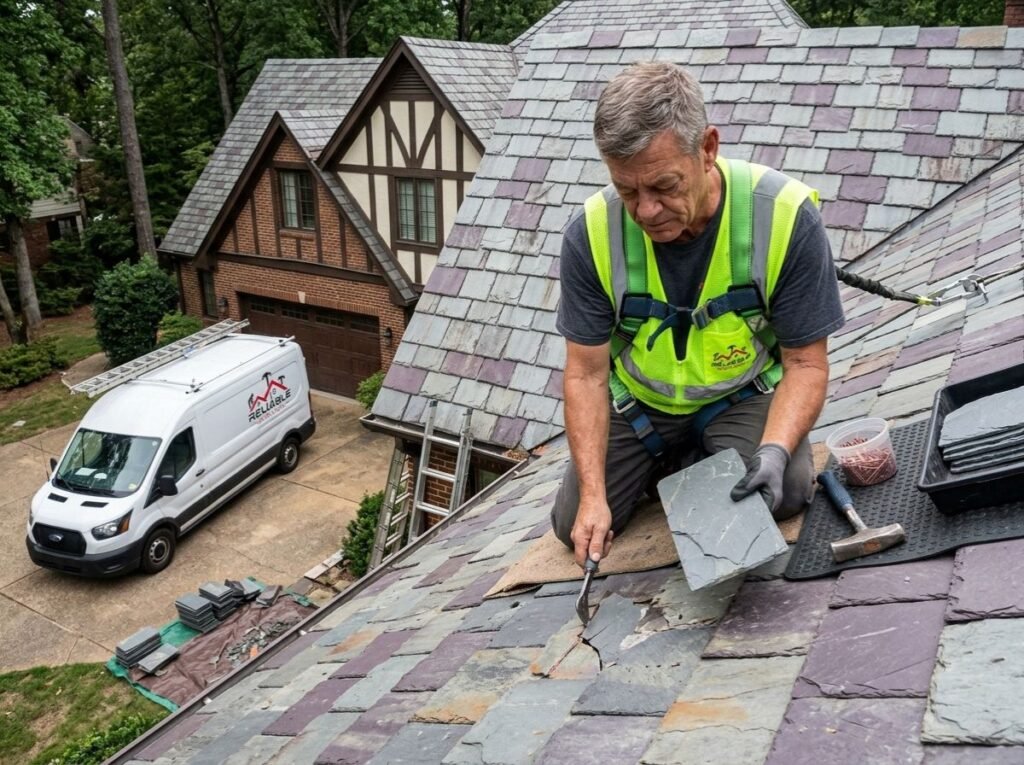
- Metal or Slate Roofing Systems: Repairing penetrations on standing-seam metal roofs, tile, or historic slate requires highly specialized metalworking tools and expert training. Traditional DIY asphalt methods will destroy these premium roofs.
Why Choose Reliable Service Roofing for Your Repair?
When you need emergency roof leak repair Alabama homeowners rely on, you deserve a team that treats your property with the utmost respect. At Reliable Service Roofing, we pride ourselves on being the premier Birmingham roof vent repair specialists.
- Unmatched Local Expertise: We understand Alabama homes, building codes, and local weather challenges inside and out. Our solutions are engineered to withstand our specific climate.
- True EEAT Standards: Every member of our roofing crew is fully licensed, bonded, and comprehensively insured. We don’t cut corners with cheap building materials or temporary fixes; we install premium, commercial-grade flashing components designed to last for decades.
- Upfront, Transparent Pricing: We provide detailed, written repair estimates with zero hidden fees. You will know exactly what your project entails before we ever lift a hammer.
- Locally Owned & Stationed: Our regional headquarters is situated right here in town: Reliable Service Roofing 2700 Corporate Drive, Suite 200 Birmingham, Alabama 35242
Protect Your Home from Water Damage Today
A leaking roof vent boot never improves on its own. What starts as a tiny, unnoticeable drip behind your drywall will steadily transform into extensive structural wood rot, ruined attic insulation, and expensive interior ceiling replacement bills.
Don’t wait for the next heavy Alabama thunderstorm to turn a simple maintenance task into a stressful home emergency.
If you are dealing with a leaky roof vent pipe flashing repair, let our family protect yours. Contact our dedicated local team today to book a comprehensive professional roof leak inspection and get your home sealed up tight.
FAQ
You should always use a premium, UV-resistant polyurethane roof sealant rather than standard silicone or asphalt cement because polyurethane maintains its flexibility and adhesion through years of extreme temperature fluctuations.
Yes, an active roof vent pipe leak should be treated as an emergency because water running down the framing elements can rapidly ruin your insulation, rot structural roof timbers, and foster hazardous indoor mold growth.
Homeowners can repair roof vent flashing themselves if they have basic carpentry tools, a safe, low-sloped roof deck, and follow proper safety precautions like utilizing an OSHA-rated fall arrest harness.
The primary signs of a failing vent boot are visible water stains on ceilings directly underneath the stack, peeling wall paint, a musty odor in the attic space, or visible dry rot cracks on the exterior rubber collar.
A professional vent pipe flashing replacement in the Birmingham metro area typically costs between three hundred and six hundred dollars depending on the height, pitch of the roof, and the type of flashing materials chosen.
Roof flashing should be replaced immediately upon the discovery of any metal rust, cracking rubber collars, or during a complete shingle replacement project to ensure old penetrations do not compromise the new roof system.
A leaking vent pipe means that the protective sealing boot has failed, which will inevitably lead to rot in the underlying wood decking and rafters if it is not addressed quickly.