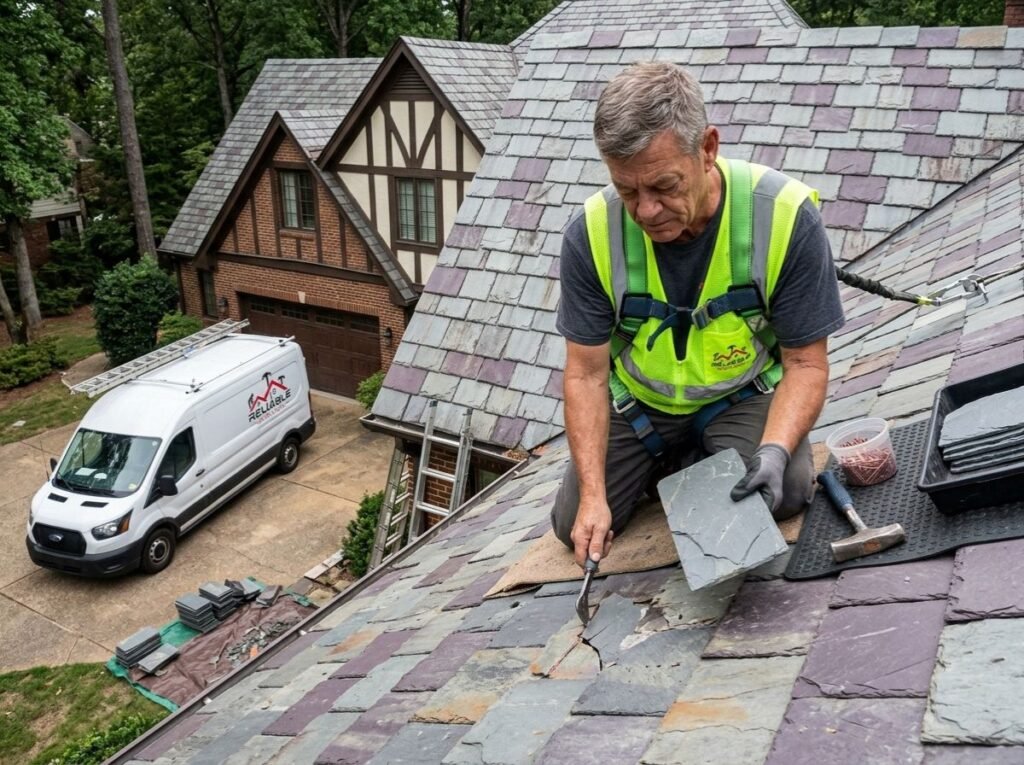
If you’re planning a new roof, roof replacement, or major repair in Alabama, you can’t skip roofing codes and permits—even if you think it’s a “quick fix.” The wrong setup can mean failed inspections, fines, and denied insurance claims if storm damage hits later.
This guide walks you through Alabama roofing codes and permits in plain language, with clear steps for Birmingham area homeowners and reminders of what to expect from a licensed local contractor like Reliable Service Roofing
Why Roofing Codes and Permits Matter in Alabama
Roofing work in Alabama is regulated under:
- The Alabama State Building Code (based on the International Residential Code / International Building Code).
- Local amendments from cities and counties, including Birmingham and Jefferson County.
These codes exist because:
- Alabama has strong winds, tornado risks, and heavy rain.
- Roofs must be structurally secure, properly vented, and fire‑rated.
- Permits ensure work is inspected and meets minimum safety standards.
Ignoring permits or codes can lead to:
- Fines from the building department.
- Insurance denials after storm damage.
- Complications when you sell your home.
What Alabama Roofing Codes Cover

Alabama roofing codes touch on almost every part of your roof. Here are the biggest areas:
1. Roof Covering (Shingles, Metal, Tile)
- Shingle type and grade: Codes often require mineral‑surfaced asphalt shingles rated for your climate zone.
- Wind resistance: Many areas require attachment patterns that meet or exceed 110 mph wind standards (common in Birmingham‑area specs).
- Fire ratings: Class A fire‑rated materials are required or strongly recommended, especially in wildfire‑risk or dense neighborhoods.
Local contractors typically use brands like GAF, CertainTeed, and Owens Corning because their products meet or exceed Alabama code requirements.
2. Roof Decking and Structural Support
- Plywood/OSB decking thickness must meet code based on roof span and load.
- Proper nailing pattern and support framing (rafters or trusses) must be inspected under permit.
- Adding solar or rooftop equipment? You may need additional structural review.
If your roof looks sagging or bouncy, that’s a sign of potential code‑level issues—not just cosmetic wear.
3. Flashing, Valleys, and Drainage
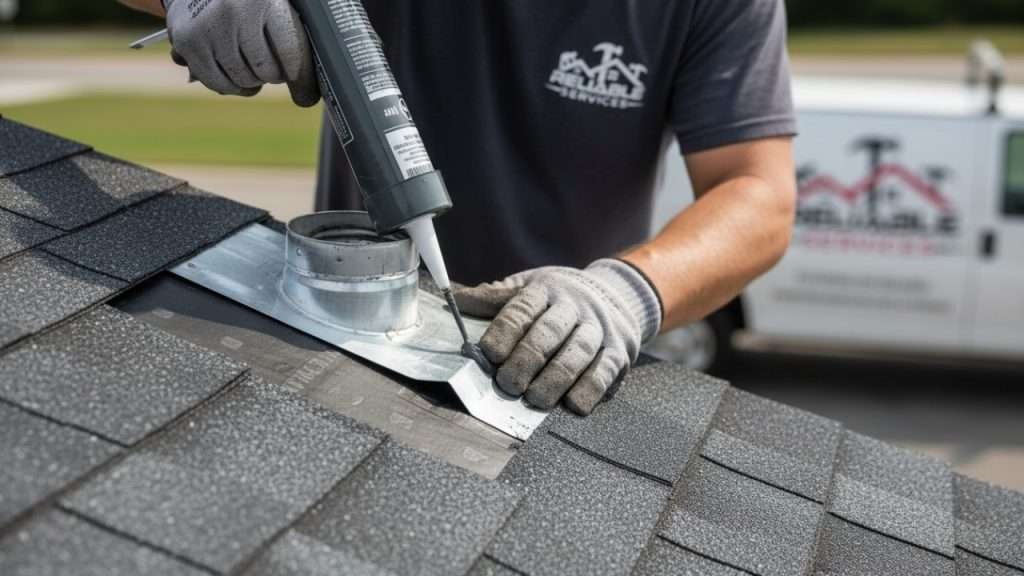
- Flashing around chimneys, vents, and skylights must be installed to prevent water intrusion.
- Valleys (where two roof planes meet) must use waterproofing systems (metal or underlayment liner) sized to local rain loads.
- Gutters and downspouts are not always required by code, but improper drainage can lead to condemnation‑style complaints if water threatens foundation or neighboring property.
4. Roofing Underlayment and Ice‑Water Shield
- Asphalt‑saturated felt or synthetic underlayment is required beneath most shingle systems.
- Ice‑water shield (self‑adhering membrane) is often required along eaves, rakes, and valleys to prevent ice‑dam leaks and storm‑driven water.
- Widths and coverage areas are specified in local code amendments—your contractor should follow the inspector’s checklist.
5. Ventilation and Attic Requirements
- Alabama roofs must have balanced attic ventilation (intake and exhaust) to prevent moisture buildup, mold, and heat damage.
- Typical solutions include ridge vents, soffit vents, or gable vents.
- Some older homes were built with no ventilation—bringing them up to code may require small structural changes.
Poor ventilation also shortens roof life, even if the original materials are good.
When Do You Need a Roofing Permit in Alabama?
Permits are not just for “new” roofs. In Alabama you usually need a permit if:
- You’re replacing the entire roof (full tear‑off and re‑roof).
- You’re re‑roofing over one existing layer (many cities allow one layer; adding a second often requires a teardown permit).
- You’re doing structural changes (adding dormers, skylights, or changing roof shape).
- You’re installing or modifying roof‑mounted systems like large solar arrays or HVAC units.
For minor patch repairs or spot replacements, permits are often not required, but it’s always best to ask your local building department first.
Birmingham / Jefferson County Pro Tip:
Most residential roof replacement jobs over 100 square feet in Birmingham require a permit and inspection. Your roofing contractor should handle this part for you and include it in your estimate.
How to Get a Roofing Permit in Alabama (Simple Steps)
Here’s a homeowner‑friendly step‑by‑step for getting a roofing permit in Alabama:
Step 1: Decide Scope of Work
- Are you doing a roof replacement, repair, or re‑roof (new layer over old)?
- Do you need structural changes (skylights, roof deck repair, added vents)?
Step 2: Choose a Licensed Contractor
- Pick a licensed roofing contractor in Alabama (they’ll often pull the permit for you).
- Confirm they’re comfortable dealing with Birmingham, Hoover, Mountain Brook, Vestavia Hills, or Irondale building departments.
A good contractor like Reliable Service Roofing will:
- Request the permit for you.
- Provide the roofing plan and materials list to the inspector.
- Schedule inspections at key stages (deck, underlayment, final).
Step 3: Submit Permit Application
- The contractor will submit to the local building department (or you can do it yourself, if you prefer).
- You’ll need:
- Site address.
- Roof size and pitch.
- Materials (shingle type, underlayment, ventilation details).
- Contractor license number and insurance (if they’re doing the work).
In Birmingham, many contractors submit electronically, which speeds things up.
Step 4: Pay Permit Fees
- Roofing permits cost vary by city and project size.
- In Birmingham, expect around $100–$300 for a typical residential roof replacement, plus possible inspection fees.
- Fees support staff time, inspections, and record‑keeping.
Step 5: Schedule Inspections
Alabama‑style permit work usually includes:
- Deck inspection (before underlayment).
- Underlayment / flashing inspection (before shingles).
- Final roof inspection (after shingles are installed; sometimes after a weather‑check period).
Your contractor should coordinate these. Never cover up work before the inspector signs off
Common Roofing Code Violations in Alabama
Some of the most common issues found during inspections:
- Improper fastening (too few nails, wrong nail pattern, or wrong type).
- Missing or undersized ice‑water shield in valleys and eaves.
- Insufficient ventilation (no soffit or ridge vents, or blocked vents).
- No separation between flammable cladding (like wood shingles) and electrical equipment.
- Roof loads exceeding original design (too many layers, heavy tile added without structural review).
If you’re re‑roofing, make sure your contractor doesn’t just “go over the old roof” without checking code and load limits.
What Homeowners Should Do After a Roofing Permit Is Issued

Once you have a permit:
- Keep the permit posted on site (if required by your city).
- Never let an unlicensed contractor work on the permit‑covered portions.
- Attend or be reachable for inspections if the inspector has questions.
- Keep a copy of the permit, inspection sign‑offs, and warranty paperwork with your home records.
These documents help years later when:
- You file an insurance claim.
- You sell your home.
- You need future repairs or change roof type (shingle to metal, etc.).
Role of a Professional Roofing Company
A licensed Alabama roofing company does more than install shingles. They help you stay compliant with:
- Local amendments to the state code.
- Permit and inspection scheduling.
- Material selection that meets or exceeds code requirements.
Companies like Reliable Service Roofing handle:
- Code‑compliant installations for homes in Birmingham, Hoover, Vestavia Hills, Mountain Brook, Irondale, and Trussville.
- Storm‑damage repair permits and insurance coordination.
- Roof maintenance and inspections to keep your roof in code‑compliant condition.
When you hire a pro, you’re not just paying for materials—you’re paying for compliance and peace of mind.
FAQs
Yes, most full roof replacements over 100 square feet in Alabama require a permit from the local building department.
Typically the licensed roofing contractor pulls the permit, but homeowners can also apply directly through the city or county building department.
Skipping the permit can lead to fines, insurance claim denials, and problems when you sell your home if the work is ever inspected.
Most roofing permits in Birmingham are processed in 1–5 business days if your application is complete and your contractor is licensed.
Most impact‑rated asphalt shingles and certain metal systems comply with Alabama’s wind‑resistance and fire‑rating requirements when installed correctly.
No—adding a second layer often violates code or requires a permit, so your local building department must approve it first.